When you buy through links on our articles, Future and its syndication partners may earn a commission.

Celestron NexStar 8SE

The Celestron NexStar 8SE is a great choice for exploring both the moon and the planets of the solar system beyond in exquisite detail. For a more detailed look, you can check out our Celestron NexStar 8SE review too.
Don't miss Jupiter shining close to the waning gibbous moon among the stars of the constellation Gemini on the night of Dec. 7.
The 83%-lit moon will rise roughly three hours after sunset on the night of Dec. 7, with Jupiter shining less than five degrees to its upper right — roughly the width of your three middle fingers held at arm's length against the sky.
Jupiter and the moon will reach their highest point in the early morning hours of Dec. 8, when they will appear almost overhead in the southern sky, with the bright stars Castor and Pollux — which represent the heads of the twins in the constellation Gemini — sparkling above the pair.
Both solar system objects will make for spectacular naked eye targets on the night of Dec. 7-8, though a modest backyard telescope with an aperture of at least 4-Inches will help reveal the complex cloud bands and storms raging in Jupiter's upper atmosphere. You may also be able to spot the four star-like points of light representing the Galilean moons Ganymede, Io, Europa and Callisto arrayed around the gas giant's colossal disk.

Tear your telescope away from Jupiter's majestic form and point it at the moon to catch a sight of mighty Tycho Crater scarring the lunar surface — a potent reminder of the incredible violence that wayward asteroids can wreak on the worlds of our solar system, including Earth.

Tycho is estimated to be just 108 million years old, making it a baby compared to the 3.9-billion-year-age of some of the most venerable lunar craters.
Want to get a closer look at the menagerie of worlds orbiting the sun? Then be sure to check out our roundups of the top telescopes and binoculars available in 2025. You may also want to peruse our guide to the best cameras and lenses for exploring the night sky.
Editor's Note: If you would like to share your photo of the moon and Jupiter with Space.com's readers, then please send your photo(s), comments, and your name and location to [email protected].
LATEST POSTS
- 1
 6 Famous kind of practice on the planet
 - 2From blowouts to big interiors, ‘Tuscan Mom’ style is Gen Z’s answer to beige burnout
- 3We may be witnessing the messy death of a star in real time
- 4'We are ready': NASA still on track to launch Artemis 2 astronauts to the moon April 1
- 5The most effective method to Engage in Local area Making arrangements for 5G Pinnacle Establishments



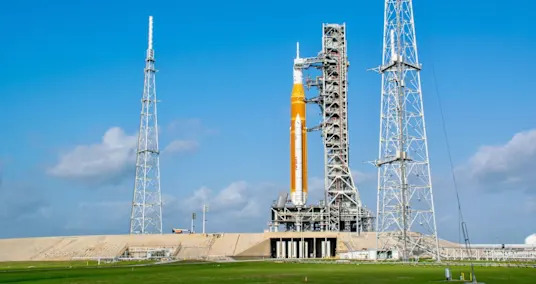

- Humanity is back at the moon! Artemis 2 astronauts arrive in lunar space
- Exemplary Fragrances: A Manual for Notorious Scents
- New law puts familiar drinks, creams and gummies in legal limbo
- Saucony's $125 'Comfy, Stylish' Sneakers Are Now $55
- BravoCon 2025: How to watch, full schedule and lineup, where to stream free and more
- Virtual National Science Foundation internships aren’t just a pandemic stopgap – they can open up opportunities for more STEM students
- 4 African Vacationer Locations
- Top German court to rule on claims by Wirecard shareholders
- An Excursion Through Renowned Western Network programs