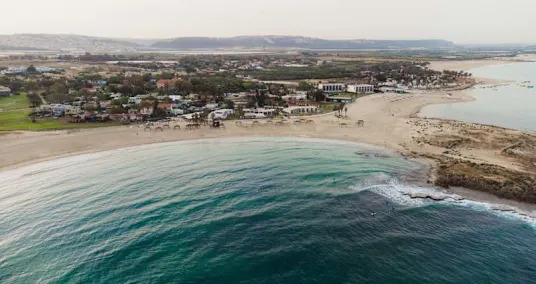
The discovery was made in an ancient shipwreck in the Dor Lagoon near the Carmel Coast, where archaeologists recovered nine pieces of unprocessed iron known as “blooms.”
Researchers from the University of Haifa said Wednesday that an underwater excavation off Israel’s northern Mediterranean coast uncovered what they described as the earliest known cargo of raw iron transported by ship, dating back around 2,600 years, Xinhua reported.
The discovery was made in an ancient shipwreck in the Dor Lagoon near the Carmel Coast, where archaeologists recovered nine pieces of unprocessed iron known as “blooms.” According to the university, the find provides direct evidence of how iron was transported in its earliest commercial stages.
The material was preserved in its original form, having solidified directly in a smelting furnace without undergoing forging or further refinement. Researchers said this distinguishes the cargo from later iron artifacts that typically show signs of shaping or tool-making.
Unlike copper and bronze, which could be melted into liquid form in ancient production processes, iron was heated with charcoal to produce a solid, porous mass. That mass was generally hammered to remove impurities and create denser material suitable for tools and implements.
The recovered blooms showed no indication of that secondary processing stage, suggesting they were transported immediately after production.

Earliest iron shipment discovered in ancient Mediterranean wreck
To determine the age and condition of the cargo, researchers conducted microscopic and chemical analyses.
Radiocarbon dating was also carried out on charred wood embedded in one of the pieces, helping confirm the timeline of the shipment. The findings were published in the journal Heritage Science.
Researchers said the cargo indicates that iron was being moved in raw form from production sites to other locations for further processing, pointing to a level of specialization in ancient manufacturing and trade networks in the Mediterranean.
The University of Haifa said the discovery provides new insight into early iron production and distribution practices in the region.
LATEST POSTS
- 1
 Dominating Capable Mastercard Utilization: Key Contemplations
 - 2FDA updates risk classification for voluntary shredded cheese recall
- 3China's Normal Ponders: A Visual Excursion
- 46 Fledgling Cameras for 2024: Ideal for New Photographic artists
- 5Poll: 62% of Americans would oppose U.S. military action in Greenland


- Mysterious bright blue cosmic blasts triggered by black holes shredding stars, scientists say. 'It's definitely not just an exploding star.'
- What we know about the Brown University shooting suspect who was found dead, and how police linked him to the MIT killing
- EPA watchdog finds nation’s most contaminated sites are vulnerable to flooding, wildfires
- Glamour Shots once ruled the mall. I went to one of the last ones standing.
- Step by step instructions to Pick the Right Web-based Degree Program
- The Benefits of Effective money management for Your Youngsters' Future Monetary Prosperity
- Monetary Wellness: Planning Tips for Independence from the rat race
- AI’s errors may be impossible to eliminate – what that means for its use in health care
- Beddings of 2024: Track down Your Ideal Fit for a Tranquil Rest