The annual Geminid meteor shower is set to peak this weekend, offering stargazers a chance to catch what is often one of the year’s best and most reliable displays of shooting stars.
The meteor shower has been active for more than a week, but it is expected to reach peak activity Saturday and Sunday evenings, according to NASA.
The shooting stars are visible in both the Northern and Southern hemispheres, though the Geminids tend to be brighter and more frequent north of the equator because of the direction from which they stream in the night sky.
Under ideal conditions — clear weather and minimal light pollution — skywatchers may be able to see as many as 120 Geminid meteors per hour, according to NASA.
The Geminids are known to produce bright, colorful fireballs that streak across the night sky.
For prime viewing, head outside between midnight local time and the early hours of the morning. Look to the eastern sky, in the direction of the constellation Gemini.
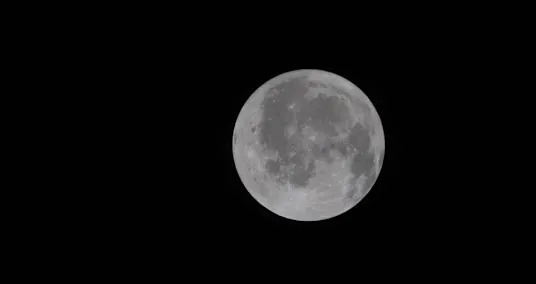
The moon won’t interfere with this year’s Geminid show, as it will be only around 26% illuminated when it rises.
Meteor showers occur when Earth’s orbital path takes it through clouds of small rocks, dust and other bits of debris that burn up when they hit the planet’s atmosphere. Most meteor showers are caused by leftover bits of comets, but the Geminids come from remnants of an asteroid known as 3200 Phaethon.
The eye-catching colors of the Geminids — ranging from yellows to reds and even greenish hues — owe to the chemical composition of the asteroid debris.
This article was originally published on NBCNews.com
LATEST POSTS



 I watched the buzzy new AI documentary — and left feeling both hopeful and terrified
- 10 times the sky amazed us in 2025
- Feeling wonder every day improves our health. Here’s how to do it.
- Avoid Slam: Clearing the Street for the Eventual fate of Standard Size Trucks
- Pick Your Number one Sort Of Music
- Astronauts' brains change shape and position after time in space, study finds
- 6 Shades Brands For Seniors
- Unsold Rams May Be Less expensive Than You Suspect
- Artemis II shares new lunar images while more than halfway to the moon